Implementing Stateful Services in a Horizontally Scaled Architecture
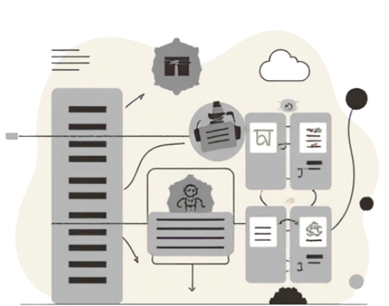
In modern cloud-native systems, managing state across multiple API calls can be tricky. Imagine an airline ticket purchase:
1. List flights & prices
2. Reserve a flight
3. Complete payment
If the price changes between steps, how do you ensure the user can still complete the process reliably?
Traditional 𝗦𝘁𝗶𝗰𝗸𝘆 𝗦𝗲𝘀𝘀𝗶𝗼𝗻𝘀 can help by routing a user to the same instance, but they come with drawbacks: tight coupling, failover risks, and uneven load distribution.
A more robust solution? 𝗦𝗵𝗮𝗿𝗲𝗱 𝗦𝘁𝗮𝘁𝗲 using Redis or NoSQL:
• Store temporary state on each API call
• Persist final state to the main database
• Handle concurrency with 𝗢𝗽𝘁𝗶𝗺𝗶𝘀𝘁𝗶𝗰 𝗟𝗼𝗰𝗸𝗶𝗻𝗴
• Ensure 𝗮𝘁𝗼𝗺𝗶𝗰 𝘂𝗽𝗱𝗮𝘁𝗲𝘀 using transactions or Lua scripts
• Use 𝗶𝗱𝗲𝗺𝗽𝗼𝘁𝗲𝗻𝗰𝘆 𝗸𝗲𝘆𝘀 to prevent duplicate operations
In large distributed systems, adding a 𝗖𝗼𝗿𝗿𝗲𝗹𝗮𝘁𝗶𝗼𝗻 𝗜𝗗 alongside state makes debugging and tracing end-to-end workflows much easier.
Proper TTL, failure handling, and atomicity ensure your solution is 𝘀𝗰𝗮𝗹𝗮𝗯𝗹𝗲, 𝗿𝗲𝘀𝗶𝗹𝗶𝗲𝗻𝘁, 𝗮𝗻𝗱 𝗽𝗿𝗼𝗱𝘂𝗰𝘁𝗶𝗼𝗻-𝗿𝗲𝗮𝗱𝘆.
Orleans Hands-on

Microsoft Orleans is a cross-platform, open-source framework for building distributed, high-scale, and high-availability applications in .NET. It introduces the concept of virtual actors—called grains—which are logical units of computation and state that automatically manage their own lifecycle. Unlike traditional actor models, Orleans simplifies concurrency, persistence, and messaging by handling activation, deactivation, and placement transparently. This makes it much easier for developers to build cloud-native and distributed systems without dealing with the complexity of clustering, message routing, or fault tolerance manually.
Orleans was originally developed by Microsoft Research and later adopted in large-scale production environments like Azure and online services such as Halo and Skype. It provides built-in support for features such as distributed storage, reminders, streams, and fault-tolerant clustering. Developers can scale their systems horizontally simply by adding more nodes to the cluster. Thanks to its intuitive programming model and integration with the .NET ecosystem, Orleans is now a popular choice for building real-time services, IoT backends, multiplayer game servers, and microservice-based architectures that demand both performance and reliability.
